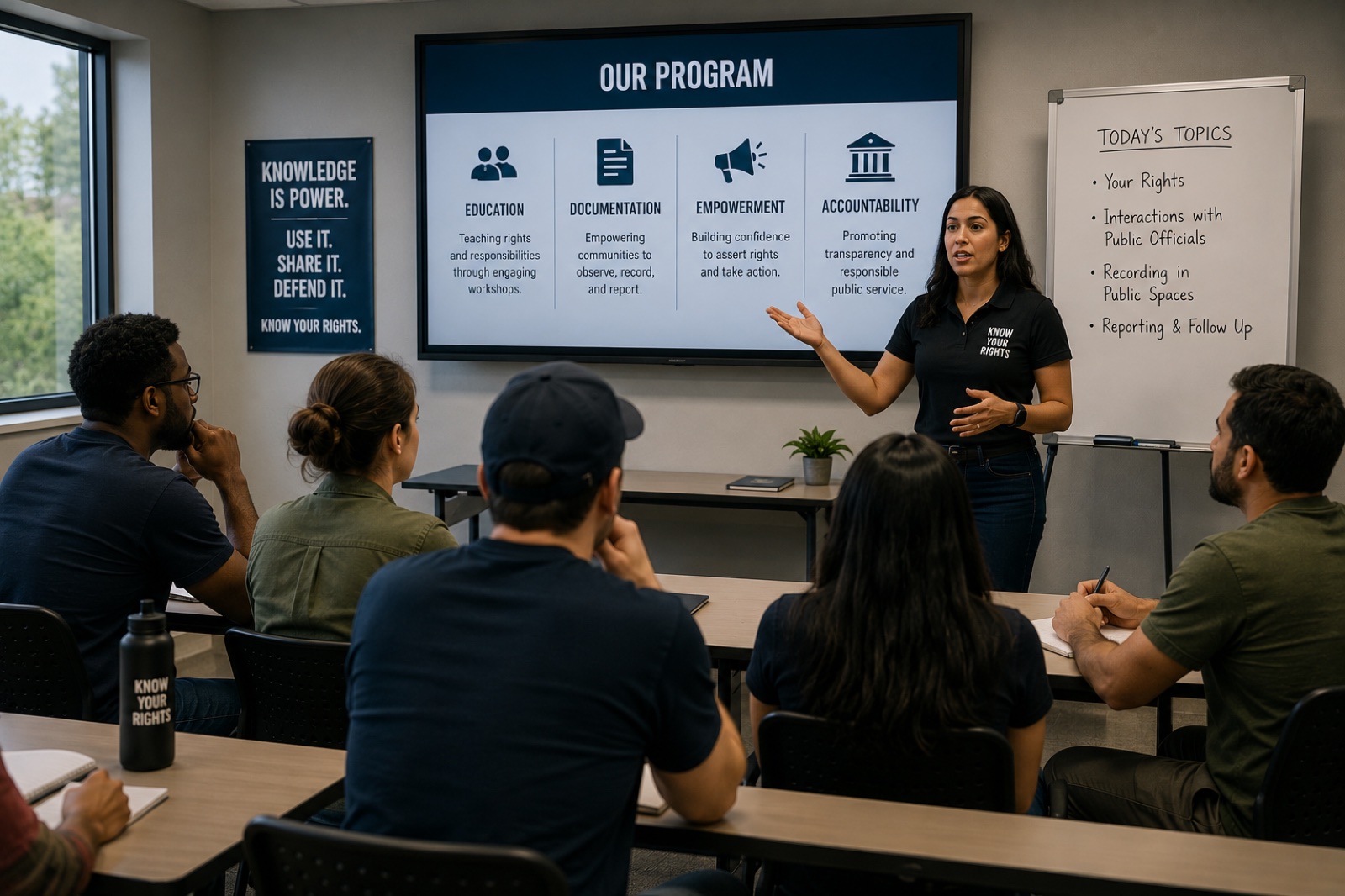
The Summit is a complete learning path, not a collection of unrelated sessions. Classroom training, scenario discussion, public-space documentation, records follow-up, and creator education connect into one accountability workflow.
Five tracks that connect into one practice — constitutional foundations through field documentation, public records, publishing discipline, and applied scenario work.
First Amendment auditing, Fourth Amendment rights, public forum basics, detentions, search and seizure, failure to ID, trespass warnings, disorderly conduct, obstruction claims, device seizure, and court-specific limits. We cover what protections do exist, what limits also exist, and how time, place, and manner restrictions actually work.
Right-to-record practice for public building audits, recording public officials in public, distance, angles, audio, livestreaming, backup recording, sidewalks, plazas, public meetings, and traditional public forums. Camera setup, audio capture, timestamping, and raw-footage preservation.
Public records requests under FOIA and state law, bodycam requests, dashcam, CAD logs, incident reports, policy requests, complaint files, retention, chain of custody, and records appeals. Includes hands-on request drafting.
Publishing responsibly, editing workflow, storytelling, captions, title writing, thumbnails, short-form clips, livestream highlights, analytics, audience growth, sponsor disclosures, and ethical monetization for government accountability content. Platform strategy across YouTube, TikTok, X, and newsletter.
Small-group scenario work, peer critique, route planning, equipment checks, debriefs, records-request homework, and an opt-in field practice block known as Take It to the Streets. The field component is structured as a guided learning lab, not a stunt or confrontation challenge — clear expectations, group leads, checklists, meeting points, and a code of conduct.
Topics, times, and order are illustrative — the live agenda is finalized as speakers and partners are confirmed.
Opening keynote on the First and Fourth Amendments in real encounters. Public forum doctrine, the right to record government officials, and what jurisdictional limits actually look like.
Calm communication, distance, non-interference, device handling, and knowing when to pause or leave. Camera setup, audio, livestreaming, backups, timestamps, and raw-footage preservation.
Meet attorneys, creators, records experts, and exhibitors. Optional case-study screening night.
Drafting requests, narrowing scope, appeals, fee waivers, exemptions, and turning records into stories. Bodycam, dashcam, CAD logs, complaint files.
Guided public-space observation with group leads, code of conduct, meeting points, and clear expectations. Practice public-building awareness, traditional public forum observation, calm verbal framing, and evidence preservation.
Editing workflows, captions, titles, thumbnails, short-form clips, sponsor disclosures, and ethical monetization. Group critique of footage from the field lab.
Group debrief, records-request assignments, attendee resource packet handoff, and what to expect from a responsible recap publication.
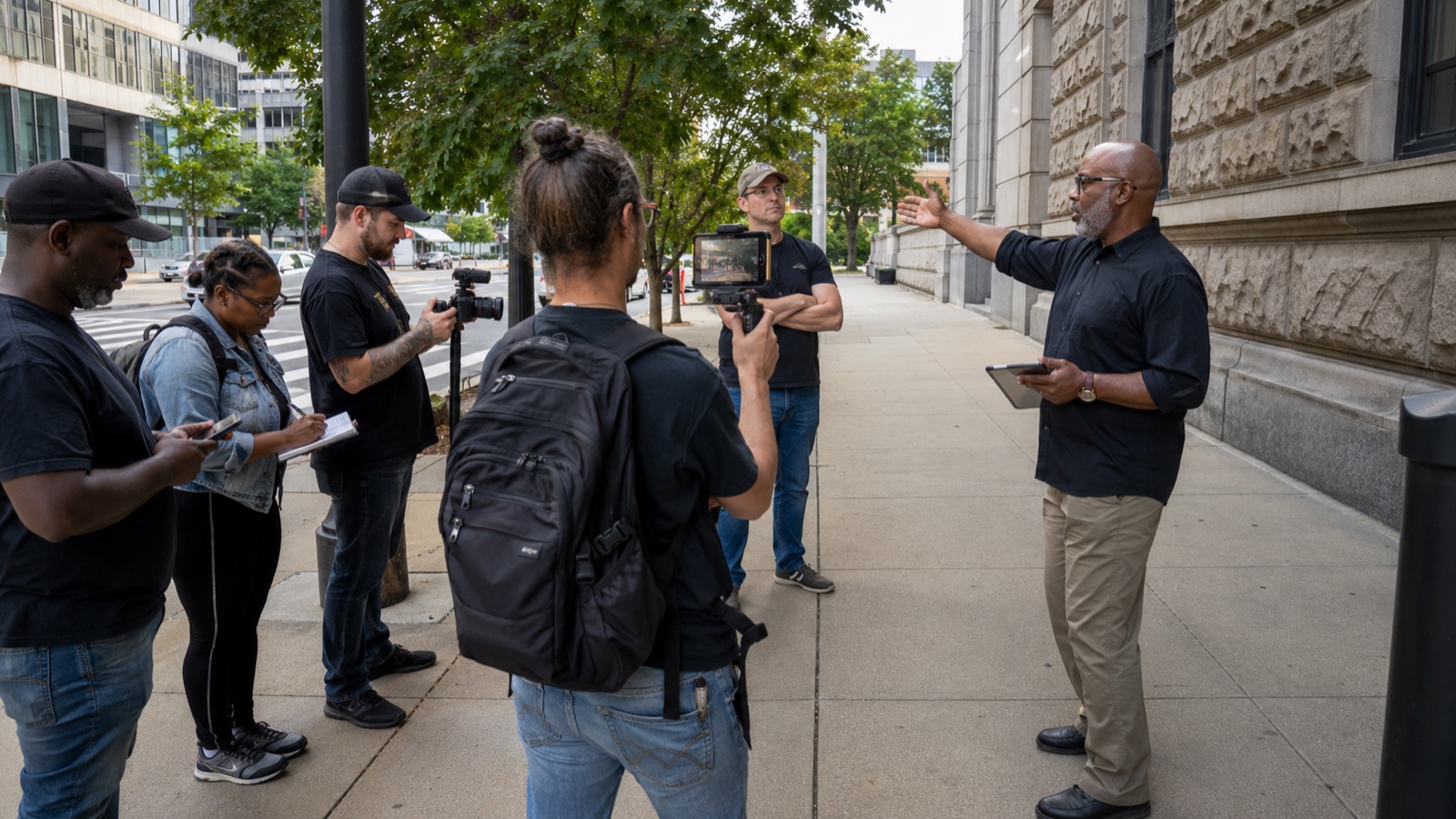
Small groups, group leads, checklists, meeting points, and a separate signed waiver. Police recording is treated as lawful documentation when public duties are naturally encountered — not as a manufactured confrontation. The point is disciplined practice, observable behavior, calm framing, and useful evidence.
Opt-in only. Attendees who prefer additional classroom workshops, podcast booth time, or sponsor demos can absolutely stay in.
What you do after the encounter matters as much as what you do during it. Every Summit attendee leaves with a follow-through workflow.
Public records requests under FOIA and state law. Bodycam, dashcam, CAD logs, complaint files, retention policies. Hands-on request drafting at the Summit.
Organize footage, preserve raw files in a defensible workflow, edit responsibly, separate facts from legal conclusions.
Publish a responsible recap. Connect with attorneys or media partners on case-worthy encounters. Keep training with your local accountability community.
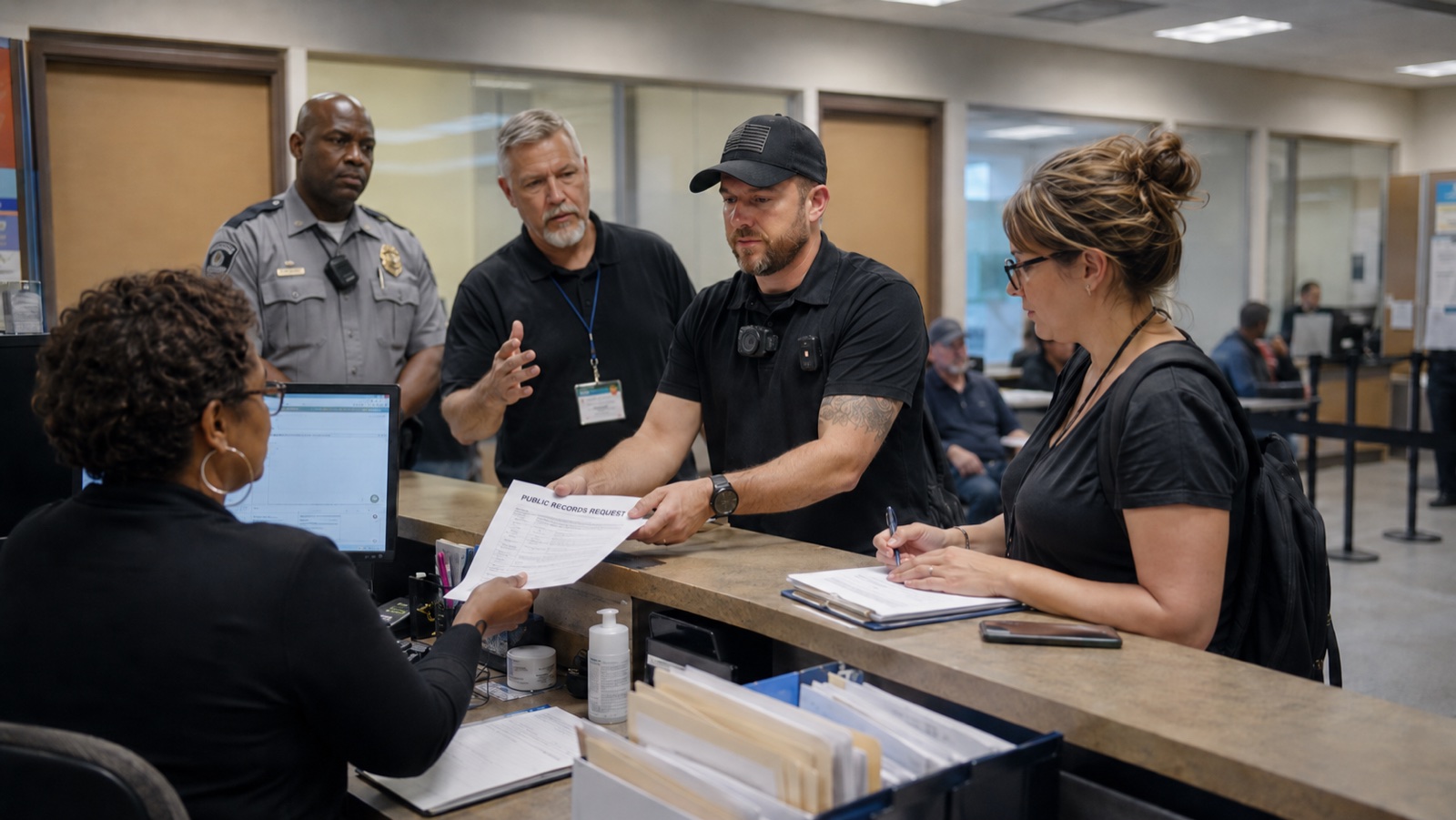
Public records requests are where most accountability work actually lives. We teach drafting, scope, fee waivers, appeals, and the polite-but-firm follow-up that turns a vague encounter into a documented record.